Cleaning vs. Sanitizing vs. Disinfecting: What’s the Difference and Why Probiotic Cleaners Are Changing the Game
Table of Contents
When you’re shopping for cleaning products, you’ve probably noticed a lot of bold claims like “Sanitizes!” or “Kills 99.9% of germs!” The words clean, sanitize, and disinfect get tossed around so often that it’s easy to assume they all mean the same thing, but they don’t.
Each serves a very different purpose, and understanding the difference can help you choose safer, more effective products for your home, especially if you’re trying to avoid harsh chemicals and keep things nontoxic.
Let’s break it all down and explore why probiotic cleaners like Hyve are becoming a smarter option for everyday cleaning.
What Does It Mean to Clean?
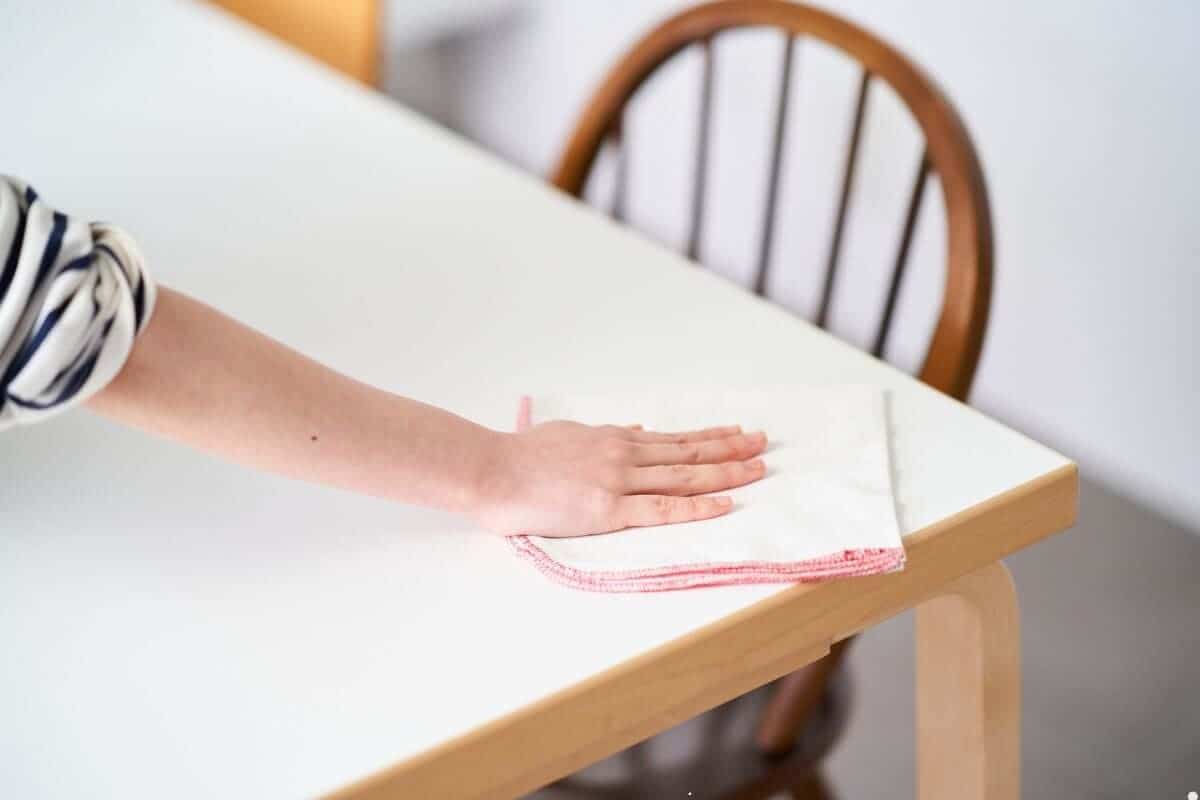
Cleaning is the starting point for a healthy home. At its core, cleaning simply means removing dirt, dust, crumbs, oils, and other debris from surfaces.
It’s important to know that cleaning doesn’t necessarily kill germs, but it does reduce them by physically removing what they cling to.
What Cleaning Does:
- Gets rid of visible messes
- Prevents buildup and grime
- Prepares surfaces for sanitizing or disinfecting
Most traditional cleaners rely on chemicals or surfactants to break down dirt. Hyve’s probiotic cleaner goes a step further. It uses beneficial bacteria (probiotics) that continue working even after you’ve put the cloth away. These probiotics help break down organic matter, target biofilm, and keep surfaces cleaner for longer.
What Is Sanitizing?
Sanitizing lowers the number of bacteria on a surface to levels considered safe by public health standards. It doesn’t eliminate viruses, and it doesn’t remove dirt or grime, which is why you should always clean first.
Sanitizing Is Helpful For:
- Kitchen counters
- Cutting boards
- Frequently touched surfaces
- Children’s toys
Many sanitizing products rely on strong chemicals that can irritate skin, trigger allergies, or leave behind overpowering smells. If you’re aiming for a nontoxic home, these products may not be ideal for daily use.

While probiotic cleaners like Hyve aren’t EPA-registered sanitizers, they support a healthier environment by naturally crowding out harmful bacteria and breaking down buildup that chemical sprays often just mask. Similar to our gut, our homes need a balance of good and bad bacteria to keep things balanced.
What Is Disinfecting?
Disinfecting is the heavy hitter. It’s designed to kill both bacteria and viruses on surfaces. Disinfectants are essential in certain situations, especially when health is a concern.
You Should Disinfect When:
- Someone in your home is sick
- You’re cleaning up bodily fluids
- You’re handling raw meat
- You’re caring for infants, elderly family members, or anyone with a compromised immune system
Disinfectants must be EPA-approved and need to stay on the surface for a specific amount of time (called “dwell time”) to work properly.
While disinfectants are effective, they do come with downsides:
- They wipe out all microbes, including the good ones (leaving surfaces wide open)
- They can leave behind harsh residues
- Frequent use can disrupt your home’s natural microbiome
- Many contain ingredients that can be irritating or toxic
This is where probiotic cleaners offer a refreshing alternative for everyday use.
Where Probiotic Cleaners Fit In
A probiotic cleaner like Hyve isn’t a sanitizer or a disinfectant, and that’s actually a good thing! It fills the gap between occasional disinfecting and daily cleaning by offering long-lasting results without harsh chemicals.
Why Probiotic Cleaning Works:
1. Long-Lasting Clean
Most cleaners stop working once they dry. Hyve’s probiotics keep breaking down dirt and organic matter for days, giving you a deeper, more sustained clean.
2. Supports a Healthy Home Microbiome
Your home is full of bacteria: some helpful, some not. Instead of wiping everything out, Hyve introduces beneficial microbes that naturally crowd out the bad ones.
3. Perfect for Everyday Use
Whether you’re wiping spills, freshening surfaces, or doing daily upkeep, probiotic cleaners are safe and effective, especially for homes with kids, pets, or allergy sufferers.
4. Nontoxic and Family-Friendly
Hyve skips the harsh chemicals found in many sanitizers and disinfectants. With ingredients like probiotics, water, natural emulsifiers, and essential oils, it delivers a clean that feels safe and smells fresh (lavender and bergamot...ohhh).
When Should You Use Each?
Here’s a simple way to think about it:
Use a Probiotic Cleaner (like Hyve) for:
- Daily household cleaning
- Kitchen counters (when raw meat isn’t involved)
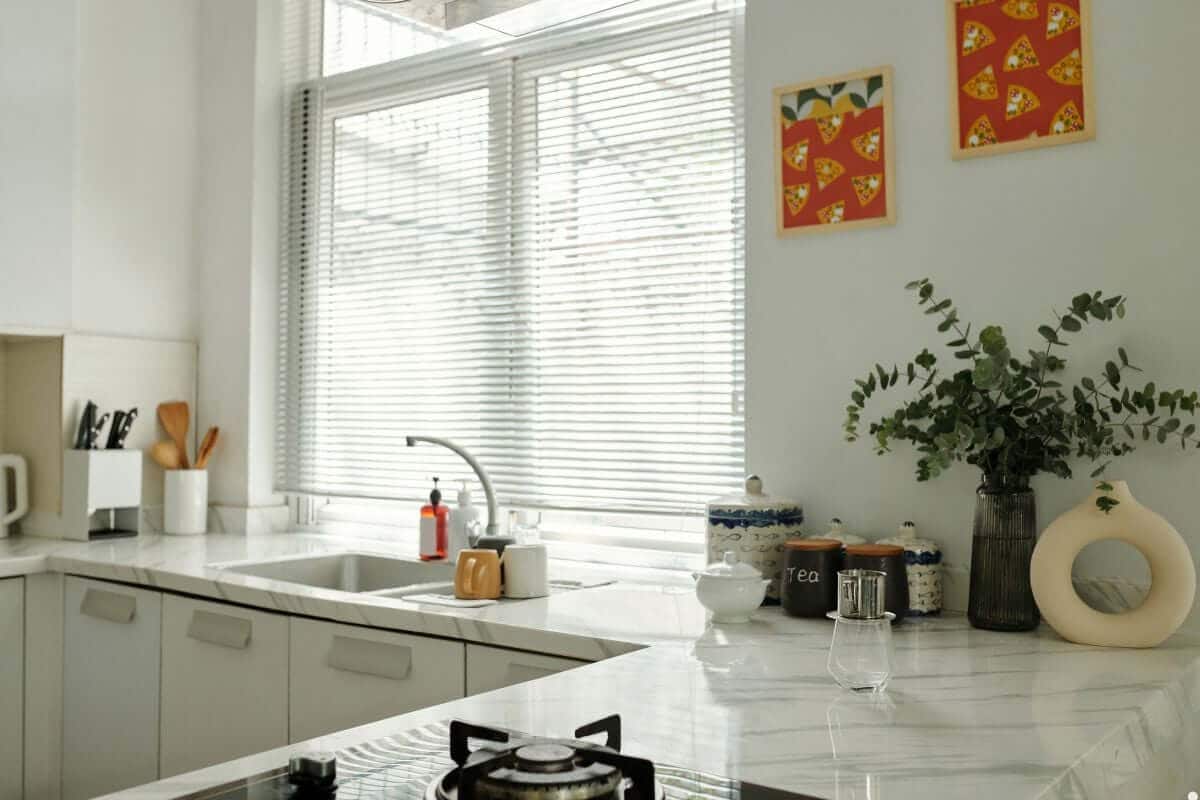
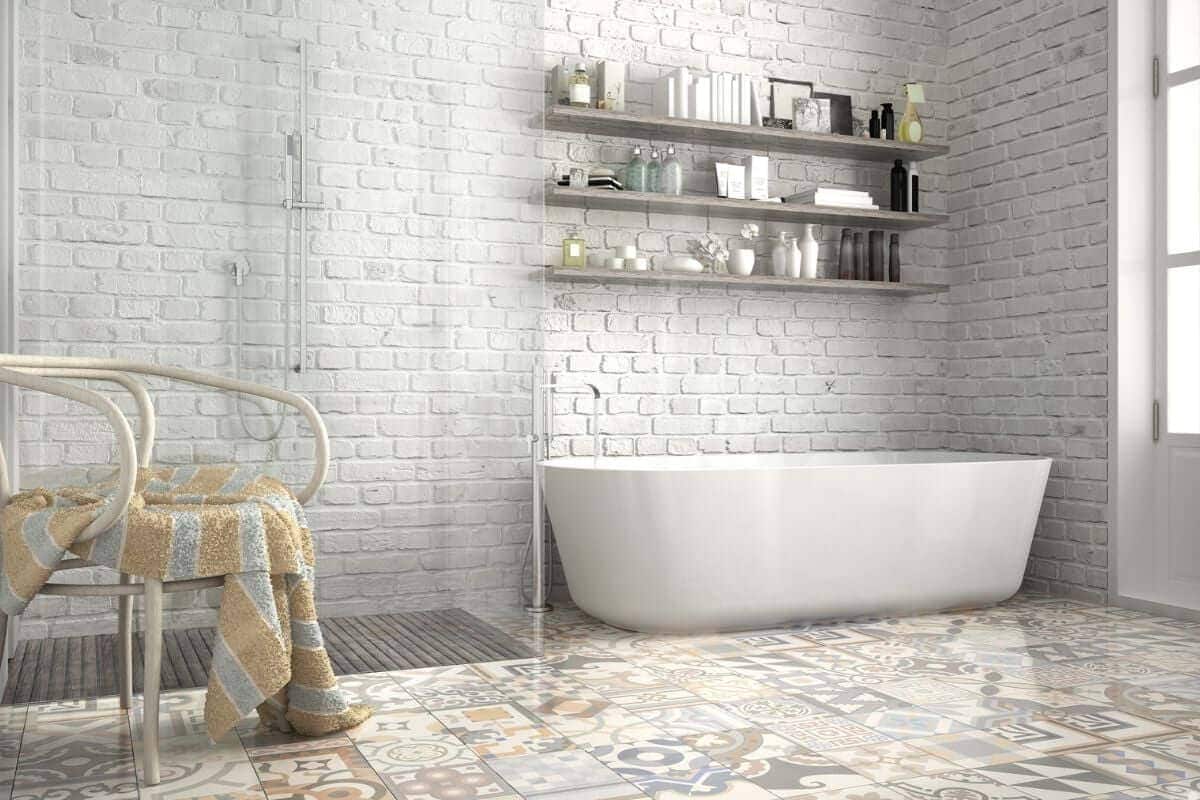
- Bathrooms, sinks, and tubs
- Floors and high-touch surfaces
- A long-lasting, nontoxic clean
Use a Sanitizer for:
- Cutting boards after food prep
- Situations where you need to quickly reduce bacteria
Use a Disinfectant for:
- Illness in the home
- Raw meat contamination
- Bathroom messes involving bodily fluids
A truly healthy home uses all three when needed, but for everyday cleaning, probiotic cleaners offer the biggest long-term benefits.
Final Thoughts
Cleaning, sanitizing, and disinfecting all play important roles in maintaining a healthy home. But when it comes to daily cleaning that’s gentle, effective, and long-lasting, probiotic cleaners like Hyve really stand out.
Instead of relying on harsh chemicals that disrupt your home’s natural balance, probiotics work with your environment, supporting a healthier microbiome while delivering a deeper clean.
If you’re looking for a nontoxic approach, a safer space for your family, and a cleaner that works smarter, not harsher, Hyve represents the future of everyday home care.